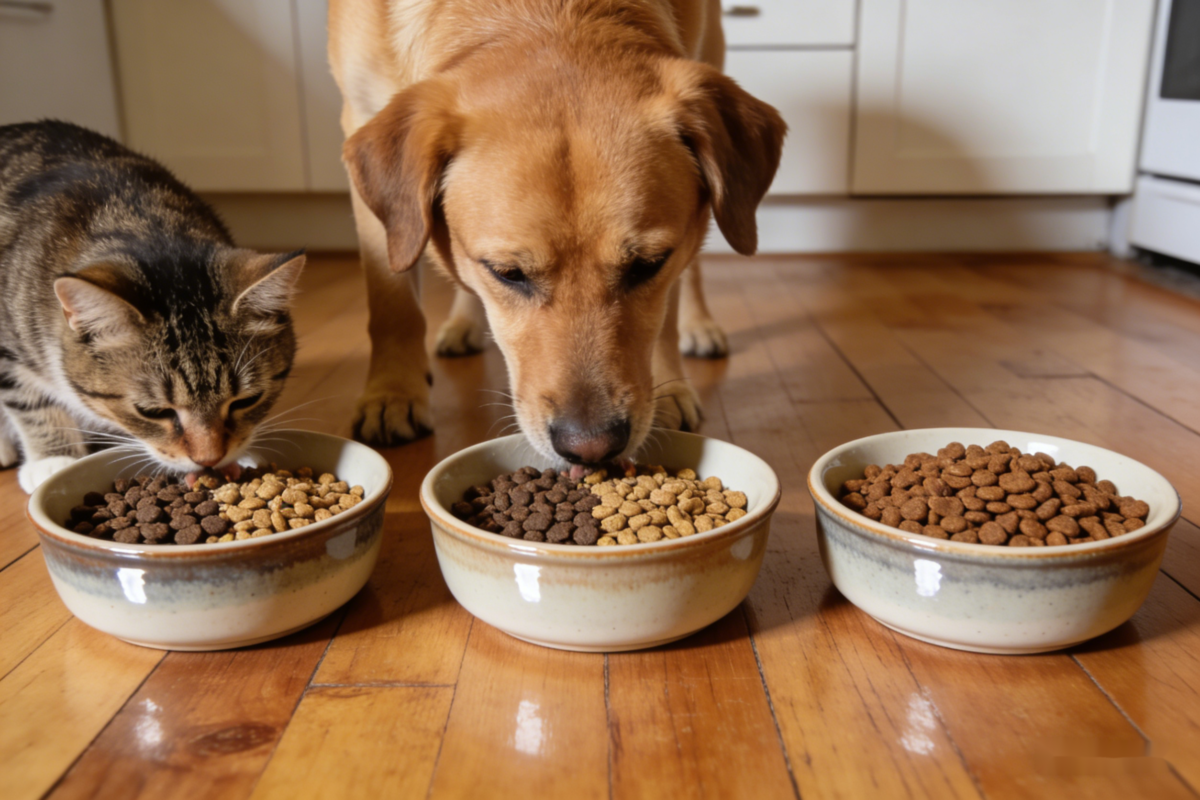
When faced with this question, many people may wonder: do pets also need a balanced diet? Take our most common pets — furry companions — for example. Those who have watched Human and Nature know that their wild relatives mainly feed on meat. Yet if you take a close look at the pet food you feed, you will find ingredients like “chicken meal” and “pea fiber”. Why do pet food manufacturers design products with such combinations? All animals need water, protein, fatty acids from fats and carbohydrates, as well as trace elements such as vitamins and minerals. After long-term human domestication, dogs’ living environment has become vastly different from that in the wild. Therefore, our furry friends need adequate nutrients with efficient absorption to stay with us longer. Contrary to stereotypes, many furry companions are not strict “carnivores”. Take dogs as an example. Careful owners may notice that they occasionally eat grass, leaves, or even dirt as “supplements”. You may wonder why a carnivorous animal would eat such strange things. This is actually a sign of trace element deficiency. In modern life, indoor dogs rarely get enough sunlight to synthesize vitamin D, leading to calcium deficiency. Since dogs have a high demand for calcium, they naturally try to obtain it by eating those odd “foods”, which is neither safe nor hygienic. As a vital part of canine nutrition, protein provides amino acids that form cells and tissues in a dog’s body. Protein also supports metabolism and strengthens antibodies in the immune system. A lack of protein can impair these organs and functions, while insufficient protein intake may cause stunted growth and development. However, it should be noted that excessive vitamin D may lead to hypercalcemia. Similarly, excessive sodium, potassium, and certain proteins can cause similar issues and even affect kidney function. These nutrients exist in various natural foods, making it difficult to achieve truly “precision feeding” through daily manual meal planning alone. To keep our furry friends healthier, we must rely on technological support. Pets are similar to human babies in many ways: they both have delicate stomachs and relatively small appetites. Relying solely on regular food would require eating large portions to meet nutritional needs, which is unrealistic. By adopting the nutritional logic of infant food, we can find a better solution.